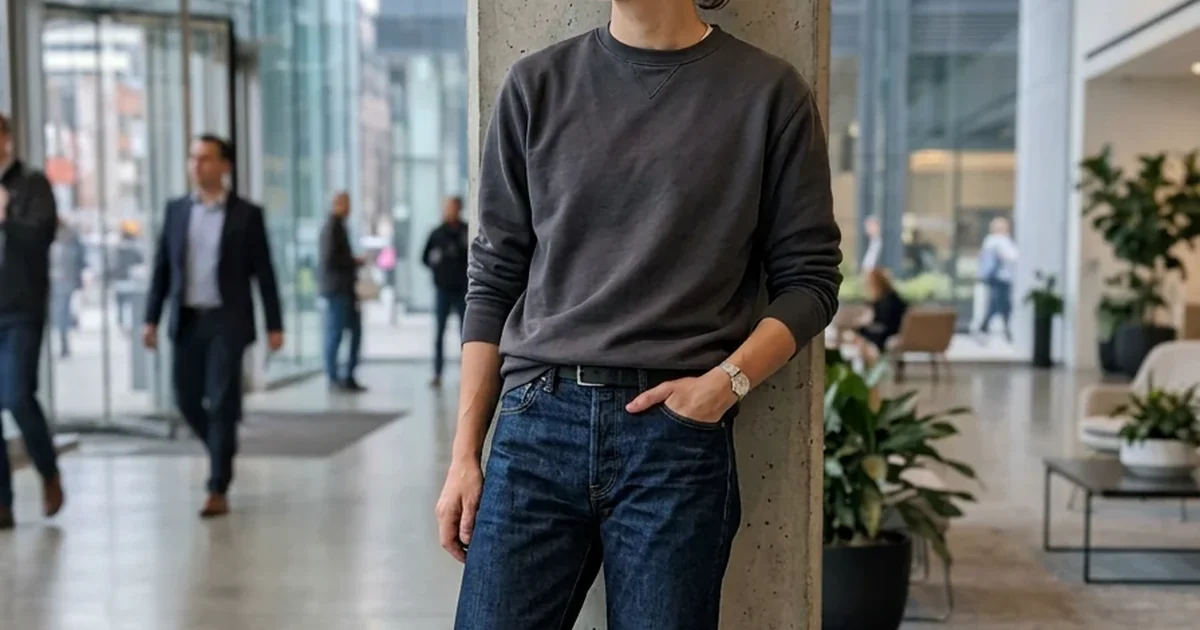
Shoppers who can see a piece on themselves buy with more confidence, and confident buyers return less. This guide covers why apparel has the highest ecommerce return rate of any online category, what returns actually cost beyond the refund, and the concrete steps - from foundational fixes to AI virtual try-on - that move the number down.
For a deeper look at how the underlying technology works, see the complete guide to virtual try-on for Shopify.
Why Apparel Returns Are a Structural Problem
Apparel has one of the highest ecommerce return rates of any product category because the purchase decision depends on something a photograph cannot deliver: how a piece looks on a specific body. US shoppers returned an estimated $850 billion of merchandise in 2025, with online returns running at roughly 19.3 percent of online sales across all retail categories - and apparel consistently runs above that average [NRF, 2025 Retail Returns Landscape]. For a Shopify apparel store, that is not an edge case - it is a structural cost of doing business.
The leverage point is in why the returns happen: roughly 70 percent of fashion returns are caused by poor fit or style - the garment did not look the way the shopper expected [McKinsey, "Returning to Order"]. That is the expectation gap, and closing it is where every effective returns-reduction strategy starts.
What Returns Actually Cost Your Store
Returns are more expensive than the refund line suggests. The full cost stack includes return shipping, inspection labor, repackaging and restocking, markdown risk on a garment that is no longer first-quality, and working capital tied up in transit instead of on the shelf.
Industry estimates place the all-in cost at $15 or more per return before any markdown. At a 25 percent return rate, that is a five-figure annual cost that rarely shows cleanly in the dashboard. Reducing your ecommerce return rate even a few points is one of the highest-margin improvements available to a Shopify apparel store, because every avoided return is recovered profit on a sale you already made.
The Foundational Fixes: Sizing, Imagery, and Descriptions
Before any advanced tooling, the basics have to be solid. These fixes reduce returns by giving shoppers better information to make accurate purchase decisions.
Garment measurements, not just size labels. Generic size charts cause returns because they force shoppers to guess. Give chest, waist, hip, length, and inseam measurements in US and EU/UK formats alongside standard sizes. Note fit intent - true to size, runs small, relaxed - so the shopper calibrates before they order.
Multi-angle product imagery. Flat-lay shots hide drape and movement. Show the garment from front, side, and back in natural light, and on more than one body type where possible. McKinsey noted that showing products on models of varying body types directly addresses the fit-and-style return driver by giving shoppers a more realistic reference point.
Structured product descriptions. Fabric composition, stretch, opacity, weight, and care instructions all set expectations. A shopper who knows a top is a structured non-stretch cotton will not be surprised when it does not move like jersey.
Fit-aware reviews. Let reviewers report their usual size and how the item ran. "I am normally a medium and the medium fit perfectly" is worth more than five stars alone - it lets the next shopper calibrate against a real body rather than a chart.
These fixes all share a ceiling: they describe the garment. None of them lets the shopper see the piece on their own body. That gap is what the next section addresses.
The Confidence Mechanism: Seeing It on Yourself
The root cause of most apparel returns is aesthetic uncertainty - the shopper cannot picture the garment on their own body before buying. Static photos on a studio model require the shopper to translate "how it looks on her" into "how it will look on me," and that translation is where the expectation gap opens.
AI virtual try-on closes that gap directly. The shopper uploads one photo and sees the garment rendered on themselves - the cut on their frame, the color against their skin tone. When the preview matches what they want, they buy with confidence. When it does not, they skip a purchase that would have become a return anyway.
Better sizing data, better photos, and better descriptions all give the shopper more information to guess with. AI virtual try-on removes the guess. It is the only tactic that directly closes the imagination gap that causes most apparel returns.
To see how the technology works in practice, explore ai try on clothes - and you can see it in action on your own products before committing.
What the Data Shows About Confidence and Returns
Industry data on the returns effect is substantial and consistent across multiple sourced studies.
A Snap and Publicis Media survey of 4,028 shoppers found that 66 percent of AR shoppers are less likely to return a product after using an augmented reality feature [Source: Snap x Publicis Media, 2022]. Broader industry studies on AR and virtual try-on have reported returns reductions of up to approximately 64 percent in specific implementations. These are industry-level data points from sourced research - actual outcomes for any individual store depend on catalog, shopper behavior, and how prominently the try-on feature is surfaced. What the data consistently shows is the direction: when shoppers can see how a piece looks on them, confidence goes up and returns go down. That finding tracks directly with McKinsey's conclusion that fit and style drive about 70 percent of returns. Remove the aesthetic uncertainty at the source and you remove the most common reason a garment comes back [Source: McKinsey, "Returning to Order"]. Confidence is the mechanism - fewer returns is the outcome.
A Practical Checklist to Cut Returns on Shopify
Work through this list in order. The early items are necessary; the final item is where the largest leverage lives.
- Audit return reasons. If your returns system does not capture why items come back, enable that first.
- Fix sizing data. Add garment measurements, fit intent, and regional conversions to every listing.
- Upgrade imagery. Multiple angles, real lighting, varied body types where possible.
- Enrich descriptions. Fabric, stretch, weight, opacity, care instructions.
- Add fit-aware reviews. Let shoppers report their usual size and how the item ran.
- Add AI virtual try-on. Let shoppers see the garment on themselves before they buy - the most direct way to close the fit-and-style gap. VirCab is an AI virtual try-on app built for Shopify, rendering a realistic preview of any garment on a shopper's photo in about ten seconds, with no storefront blocking.
- Set honest checkout expectations. No surprises at delivery means fewer returns of remorse.
For more on lifting conversion alongside returns, see increase apparel conversion rate.
Frequently Asked Questions
What is the ecommerce return rate for apparel?
The ecommerce return rate for apparel sits around 25 percent, compared with roughly 19.3 percent for online retail overall. Studies show roughly 70 percent of those returns stem from poor fit or style rather than damage or defects, making expectation-management the highest-leverage area for any store trying to reduce returns [McKinsey; NRF 2025 Retail Returns Landscape].
Why do shoppers return clothing they bought online?
According to McKinsey research, roughly 70 percent of fashion returns stem from poor fit or style - the garment did not look the way the shopper imagined. Because the dominant cause is an expectation gap, tactics that help shoppers form a more accurate preview before buying have the highest impact on return rates.
How much does a return actually cost a Shopify store?
Industry estimates place the all-in cost of a single apparel return at $15 or more before any markdown. That includes return shipping, inspection labor, repackaging, markdown risk on a non-first-quality item, and working capital in reverse logistics. At a 25 percent return rate, a store with meaningful volume is absorbing a substantial annual cost that rarely shows cleanly in standard reporting.
Does AI virtual try-on reduce returns?
Studies show a consistent link between virtual try-on and fewer returns. A Snap and Publicis Media survey found 66 percent of AR shoppers are less likely to return a product after using an AR feature. Broader industry studies report reductions of up to approximately 64 percent in some implementations. The mechanism is aesthetic confidence: a shopper who has seen how a piece looks on their own body buys with fewer unresolved expectations.
What is the difference between sizing prediction and AI virtual try-on?
Sizing prediction recommends which size to order based on body measurements. AI virtual try-on shows the shopper how a specific garment looks on their own body - the cut on their frame, the color on their skin. These are different tools solving different problems. AI virtual try-on addresses aesthetic uncertainty, which McKinsey identifies as the primary cause of apparel returns.
How do I start reducing returns on my Shopify store today?
Start with garment measurements, multi-angle imagery, and structured descriptions. Add fit-aware reviews. Then add AI virtual try-on to close the expectation gap at the product page - the step that removes the guess rather than improving it. VirCab installs in about ten minutes with no code required. Start your free trial and see one of your own products rendered on a real body inside the trial window.